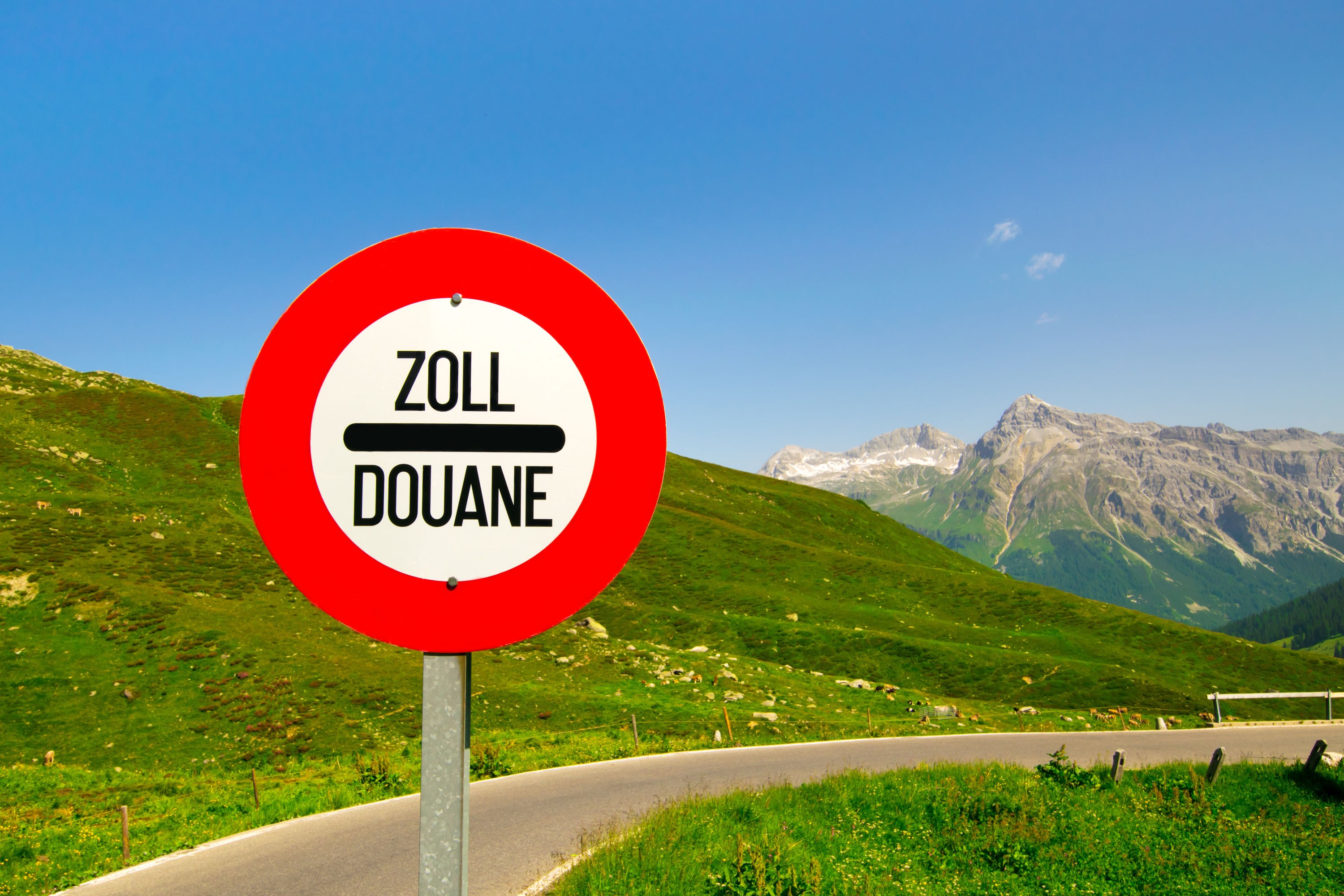
Importing goods into Switzerland: what is the real cost?
The supplier price is only one part of an import transaction. Customs treatment, transport, Incoterms, payment timing and exchange-rate movements can all change the final CHF cost and the cash flow required before the goods generate revenue.
In-depth
Posted on:
An attractive supplier quote can create a false sense of certainty. For a Swiss importer, the amount shown on the invoice is only one part of the financial commitment. Freight, insurance, customs clearance, import VAT, authorisations, currency conversion and financing can all reshape the final cost before the goods are ready to use or sell.
The challenge is therefore not simply to compare supplier prices, but to understand how each cost layer, payment deadline and source of uncertainty affects the transaction as a whole.
This article examines how these elements interact, where the main financial pressure points arise and what Swiss businesses should assess before committing to an import order.
The supplier price is only the starting point
The landed cost is the supplier price plus the costs required to bring the goods into Switzerland and make them available to the business. Depending on the transaction, these may include freight, insurance, handling, customs clearance, customs duties, import VAT and final delivery.
Currency conversion, international payment charges and financing may add further costs. Their impact depends on the currencies involved, the payment terms and the time between placing the order, paying the supplier and generating revenue from the goods.
Illustrative cost layers. The size of each layer does not represent a fixed amount or percentage.
Customs treatment depends on the goods, their origin and their value
Import costs cannot be determined from the supplier country or invoice value alone. The product description, Swiss tariff number, origin, customs value and sector-specific rules all affect the outcome. Imported merchandise must also be declared to Swiss Customs, either by the importer or an appointed service provider.
Product classification determines the applicable rules
Every product must be assigned an eight-digit Swiss tariff number. It identifies duty rates, import VAT and information on restrictions or authorisations. Businesses can search online the Tares customs tariff, but the product description must be precise enough to support the classification. The tariff number matters even when no duty is payable.
Switzerland abolished customs duties on most industrial goods from 1 January 2024, with limited exceptions for products classified as agricultural.
The abolition of industrial tariffs did not remove import declarations, import VAT, product requirements or clearance costs. Agricultural goods can still be subject to duties, quotas and permits.
Sector-specific requirements should be checked before the order becomes binding. Agricultural products may require a general import permit (GIP), with the issuing authority depending on the product.
Examples of product-specific requirements
Some goods require additional steps before import.
Coffee, for example, requires a GIP from Réservesuisse.
Wine imports exceeding 20 kg gross require a general import permit, with prior registration with the Swiss Wine Trade Inspection where applicable.
Shipments containing precious-metal articles must be reported to a Precious Metal Control Office and may be subject to specific marking and control requirements.
Origin can affect the tariff treatment
The shipping country is not necessarily the customs origin. Preferential tariffs under a free trade agreement apply only when the goods meet the relevant origin rules and the required proof is provided. Importers should confirm the origin and supporting documents using the official guidance on free trade and preferential origin.
Taxation: customs value is not always limited to the invoice price
Swiss import tax is normally calculated on the amount paid or payable, including ancillary costs incurred as far as the destination. The official assessment basis can include packaging, insurance, transport, customs clearance, duties and authorisation fees when these are not already included in the purchase price.
The standard import VAT rate is 8.1%, while 2.6% applies to certain basic necessities, including many food products.
When the customs value is stated in a foreign currency, Swiss Customs converts it using its published sell rate for the day before the declaration. This can differ from the rate the business uses to pay the supplier.
Incoterms define how responsibilities, costs and risks are shared
The ICC Incoterms® rules are standard trade rules used in contracts for the sale of goods. They clarify which parts of the delivery process are handled by the supplier and which are handled by the buyer, how certain costs are divided, and when the risk of loss or damage passes from one party to the other.
For example, a supplier may quote a price that only covers the goods until they are made available at its premises. The Swiss importer would then need to organise and pay for collection, international transport, insurance where required, customs clearance and delivery in Switzerland. Under another Incoterm, the supplier may arrange a much larger part of the journey.
The agreed rule therefore affects which costs are already reflected in the supplier’s price and which costs the importer must still estimate and pay separately.
The precise named place also matters. It identifies where certain delivery obligations are fulfilled, and the point at which risk transfers may not always be the same place to which the supplier pays for transport. The company should therefore check both the selected Incoterm and the named place, port or terminal, as these details determine where the supplier’s responsibilities end and the importer’s begin.
Handover or delivery | Supplier covers | Swiss importer manages |
|---|---|---|
Near the supplier’s premises | Preparation of the goods and delivery at the agreed origin point | Collection, main transport, insurance where required, import clearance, taxes and delivery |
To a carrier or at a port | Transport to the agreed carrier or port and export formalities | Some or all of the main transport, import clearance, taxes and delivery |
To a named destination | Most of the transport to the destination | Import clearance, import VAT or duties, unloading or other costs |
This table is illustrative only. The exact division of tasks, costs and risks depends on the selected Incoterm and the named place.
Important: Incoterms do not replace the sales contract and do not determine the price of the goods or the payment terms.
Payment timing can matter as much as the total amount
The landed cost is a total, but the business experiences it as a sequence of cash outflows: deposit, production payment or balance, freight and insurance, then import VAT, clearance and handling. The goods may still need storage, processing or distribution before they can be sold.
A cash-flow plan should identify the due date, currency and confidence level of each payment, as well as the period before customer revenue is received. It should also distinguish between amounts that may later be recovered, such as deductible import VAT, and costs that may increase if documents, customs clearance or transport are delayed, such as storage charges.
Example Cash-flow plan: A Swiss company ordering goods from a German supplier
" height="40px" id="NZPLrLua6" width="40px"/><path d="M 15.297 0 L 15.836 1.492 L 17.359 1.539 L 16.086 2.477 L 16.609 3.977 L 15.305 3.039 C 15.305 3.039 15.297 3.023 15.289 3.023 L 15.289 3.039 L 13.984 3.977 L 14.508 2.477 L 13.234 1.539 L 14.758 1.492 C 14.758 1.492 15.297 0 15.297 0.008 Z M 8.648 1.797 L 9.188 3.289 L 10.711 3.336 L 9.438 4.273 L 9.961 5.773 L 8.656 4.836 C 8.656 4.836 8.648 4.82 8.641 4.82 L 8.641 4.836 L 7.336 5.773 L 7.859 4.273 L 6.586 3.336 L 8.109 3.289 C 8.109 3.289 8.648 1.797 8.648 1.805 Z M 21.836 1.797 L 22.375 3.289 L 23.898 3.336 L 22.625 4.273 L 23.148 5.773 L 21.844 4.836 C 21.844 4.836 21.836 4.82 21.828 4.82 L 21.828 4.836 L 20.523 5.773 L 21.047 4.273 L 19.773 3.336 L 21.297 3.289 C 21.297 3.289 21.836 1.797 21.836 1.805 Z M 3.828 6.555 L 4.367 8.047 L 5.891 8.094 L 4.617 9.031 L 5.141 10.531 L 3.836 9.594 C 3.836 9.594 3.828 9.578 3.82 9.578 L 3.82 9.594 L 2.516 10.531 L 3.039 9.031 L 1.766 8.094 L 3.289 8.047 C 3.289 8.047 3.828 6.555 3.828 6.562 Z M 26.711 6.555 L 27.25 8.047 L 28.773 8.094 L 27.5 9.031 L 28.023 10.531 L 26.719 9.594 C 26.719 9.594 26.711 9.578 26.703 9.578 L 26.703 9.594 L 25.398 10.531 L 25.922 9.031 L 24.648 8.094 L 26.172 8.047 C 26.172 8.047 26.711 6.555 26.711 6.562 Z M 2.062 13.18 L 2.602 14.672 L 4.125 14.719 L 2.852 15.656 L 3.375 17.156 L 2.07 16.219 C 2.07 16.219 2.062 16.203 2.055 16.203 L 2.055 16.219 L 0.75 17.156 L 1.273 15.656 L 0 14.719 L 1.523 14.672 C 1.523 14.672 2.062 13.18 2.062 13.187 Z M 28.453 13.18 L 28.992 14.672 L 30.516 14.719 L 29.242 15.656 L 29.766 17.156 L 28.461 16.219 C 28.461 16.219 28.453 16.203 28.445 16.203 L 28.445 16.219 L 27.141 17.156 L 27.664 15.656 L 26.391 14.719 L 27.914 14.672 C 27.914 14.672 28.453 13.18 28.453 13.187 Z M 3.828 19.742 L 4.367 21.234 L 5.891 21.281 L 4.617 22.219 L 5.141 23.719 L 3.836 22.781 C 3.836 22.781 3.828 22.766 3.82 22.766 L 3.82 22.781 L 2.516 23.719 L 3.039 22.219 L 1.766 21.281 L 3.289 21.234 C 3.289 21.234 3.828 19.742 3.828 19.75 Z M 26.711 19.742 L 27.25 21.234 L 28.773 21.281 L 27.5 22.219 L 28.023 23.719 L 26.719 22.781 C 26.719 22.781 26.711 22.766 26.703 22.766 L 26.703 22.781 L 25.398 23.719 L 25.922 22.219 L 24.648 21.281 L 26.172 21.234 C 26.172 21.234 26.711 19.742 26.711 19.75 Z M 8.648 24.547 L 9.188 26.039 L 10.711 26.086 L 9.438 27.023 L 9.961 28.523 L 8.656 27.586 C 8.656 27.586 8.648 27.57 8.641 27.57 L 8.641 27.586 L 7.336 28.523 L 7.859 27.023 L 6.586 26.086 L 8.109 26.039 C 8.109 26.039 8.648 24.547 8.648 24.555 Z M 21.836 24.547 L 22.375 26.039 L 23.898 26.086 L 22.625 27.023 L 23.148 28.523 L 21.844 27.586 C 21.844 27.586 21.836 27.57 21.828 27.57 L 21.828 27.586 L 20.523 28.523 L 21.047 27.023 L 19.773 26.086 L 21.297 26.039 C 21.297 26.039 21.836 24.547 21.836 24.555 Z M 15.305 26.453 L 15.844 27.945 L 17.367 27.992 L 16.094 28.93 L 16.617 30.43 L 15.313 29.492 C 15.313 29.492 15.305 29.477 15.297 29.477 L 15.297 29.492 L 13.992 30.43 L 14.516 28.93 L 13.242 27.992 L 14.766 27.945 C 14.766 27.945 15.305 26.453 15.305 26.461 Z" fill="rgb(255, 237, 0)" height="30.4296875px" id="DXyASF8mX" transform="translate(4.75 4.781)" width="30.515623092651367px"/><path d="M 0 20 C 0 8.954 8.954 0 20 0 C 31.046 0 40 8.954 40 20 C 40 31.046 31.046 40 20 40 C 8.954 40 0 31.046 0 20 Z" fill="transparent" height="40px" id="zdZAWlXOZ" width="40px"/></g></g></g></svg>)
" height="40px" id="Q_odDPqUH" width="40px"/><path d="M 20.87 6.957 L 13.913 6.957 L 13.913 0 L 6.956 0 L 6.956 6.957 L 0 6.957 L 0 13.913 L 6.956 13.913 L 6.956 20.87 L 13.913 20.87 L 13.913 13.913 L 20.87 13.913 Z" fill="rgb(240, 240, 240)" height="20.86953125000001px" id="Bjm8exMq6" transform="translate(9.57 9.57)" width="20.869531249999994px"/></g></svg>)
Currency movements can change the CHF cost after the order is agreed
When the supplier invoice is in a foreign currency, the commercial price can remain fixed while the CHF cost changes. Exposure begins when the business commits to the foreign-currency amount. A deposit reduces the open balance, but the unpaid amount remains exposed until the currency is purchased or the exchange rate is fixed.
For goods produced to order or shipped by sea, this exchange risk exposure may last several months. The effect on cash flow and expected gross margin depends on the net amount exposed, payment dates and the company’s ability to adjust customer prices.
Companies can first use operational offsets. Foreign-currency receipts may fund supplier payments in the same currency, supported by a multi-currency account where the timing aligns. The remaining exposure can be retained, converted in advance or managed with an eligible tool such as a deliverable forward. The decision should reflect transaction certainty, not a forecast of market direction.
SwissFx explains this framework further in its FX risk management strategies analysis.
Case analysis: a Swiss coffee roaster importing from Brazil
Consider a hypothetical Swiss coffee roaster buying green coffee beans from Brazil several times a year. The supplier invoices in BRL, requests 30% at order and 70% before shipment, and sends the beans by sea to a European port before road transport to Switzerland.
The roaster must confirm the tariff number and coffee import permit, organise documents, freight and insurance, and plan customs clearance and import VAT.
Import cost layers: payment timing, currencies and certainty
Cost layer | Timing | Currency | Level of certainty |
|---|---|---|---|
Supplier deposit (30%) | Order date | BRL | Known amount; CHF value fixed only when converted |
Supplier balance (70%) | Before shipment | BRL | Known BRL amount; future CHF value may vary |
Sea freight and port handling | Before or during shipment | EUR, USD… | Quoted or estimated; may change |
Customs duties and permit-related charges | Import | CHF | Depends on classification and applicable rules |
Import VAT | Import | CHF | Calculated using the applicable assessment basis and rate |
The table shows what must be known before a reliable landed cost can be calculated and separates contractual amounts from costs driven by timing, providers or customs treatment.
How currency movements can change the same order
Assume the coffee order is BRL 500,000. The 30% deposit is BRL 150,000 and the balance is BRL 350,000. The following rates are hypothetical and are used only to illustrate the mechanism.
Payment | Illustrative rate | CHF cost |
|---|---|---|
30% deposit: BRL 150,000 | CHF 1 = BRL 6.00 | CHF 25,000 |
70% balance: BRL 350,000 — Scenario A | CHF 1 = BRL 6.00 | CHF 58,333 |
70% balance: BRL 350,000 — Scenario B | CHF 1 = BRL 5.50 | CHF 63,636 |
Scenario A produces total supplier payments of about CHF 83,333. In Scenario B, the stronger BRL raises the total to about CHF 88,636: around CHF 5,303 more, despite no change in the supplier price. If Swiss selling prices are already fixed, the difference can reduce the expected gross margin or increase the working capital required.
How the payment schedule affects working capital
The roaster pays the deposit months before revenue, then the larger balance, freight, import VAT and clearance before or at delivery.
Linking each order to a landed-cost estimate, payment calendar and currency-exposure record makes it easier to compare expected and actual costs and distinguish pricing, FX and working-capital issues.
How SwissFx can support an import transaction
Manage several import currencies in one place
A SwissFx multi-currency account can support payments for suppliers and other import-related costs, such as freight, port handling or insurance, when these are invoiced in different currencies. Where available, local payment capabilities can support domestic payment routes. Companies with several suppliers can also use bulk payments to group transactions, with integration available for relevant ERP systems.
Hold funds for upcoming payments
Companies can hold balances in selected currencies for upcoming supplier or logistics payments. This can reduce unnecessary conversions and make it easier to organize available funds by currency and payment date.
Assess future currency exposure
Recurring orders, supplier deposits and confirmed future payments can create FX exposure before the final invoice falls due. SwissFx can help businesses review the timing and currencies involved and discuss eligible FX risk-management tools where appropriate.
Finance suppliers before the goods generate revenue
Importers may need to pay a deposit or settle the supplier invoice several weeks or months before selling the goods. Qualifying businesses may explore supplier-payment finance to bridge this timing gap, subject to credit assessment and eligibility.
SwissFx does not determine tariff classifications, customs duties or product-specific import requirements. Its role begins once the business knows what it needs to pay, in which currencies and at which stages of the import cycle
Toolbox
Swiss importation checklist — overview of the commercial import process and customs declaration.
SwissImpex — Swiss foreign trade statistics - official Swiss import and export data by trading partner, product category and period.
Questions to answer before committing to an import order
Goods, documents and customs requirements
Costs and delivery responsibilities
Payments, currency exposure and cash flow
Important: This article is for general information only and is not customs, tax, legal or financial advice. Requirements and financial solutions depend on the transaction and the business.
Do you know how currency and payment costs affect your imports?
A complimentary SwissFx FX audit can review your supplier currencies, payment timings, conversion points, FX margins and current exposure. It can help identify where costs or uncertainty arise and where your international payment setup may offer opportunities for greater visibility and predictability.